
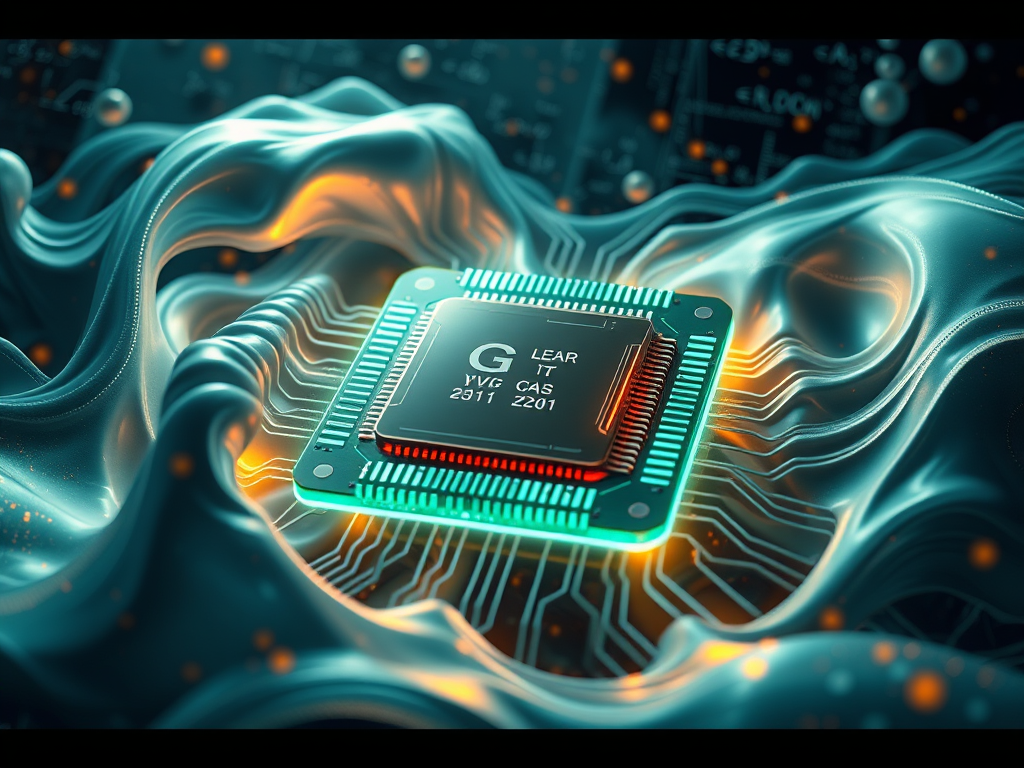
A significant shift is occurring in computational science. Rather than using traditional CPUs to “simulate” physics through trillions of lines of code, researchers have unveiled “physics-native” processors. These chips solve complex equations by mimicking the physical processes they are modeling—such as fluid dynamics or molecular folding—at the hardware level. This approach is 1,000x more energy-efficient and allows scientists to “see” results of complex engineering tests in seconds rather than months, effectively removing the speed limit on scientific R&D.
Source: R&D World / Elsevier


Leave a Reply